Knowledge Hub

The Forest Friends Knowledge Hub is a comprehensive resource designed to empower both individuals and businesses with the tools, knowledge, and inspiration needed to make a positive impact on nature. With a focus on actionable, nature-positive practices, it covers topics from sustainable business strategies and regenerative travel  and tourism to climate action and ecosystem restoration and reforestation.

Key sections include:

Nature-Positive Business Practices: Practical guides and insights for companies looking to integrate sustainability into their operations, with a focus on the Forest Friends certification framework.

Regenerative Travel and Tourism: Resources for eco-conscious travelers and tourism businesses, offering strategies for travel that actively restores and enhances natural ecosystems.

Climate Action and Ecosystem Restoration: In-depth explorations of climate solutions, from carbon offsetting through tree planting to biodiversity initiatives that contribute to global climate goals.

Tree Planting Benefits and Science: Educational content explaining the science of carbon sequestration and biodiversity support through reforestation projects.

Sustainable Living and Personal Actions: Simple, effective steps for individuals to reduce their environmental footprint and live sustainably, highlighting how personal choices can contribute to broader ecological health.

With a focus on high-quality content, the Knowledge Hub is crafted to engage eco-conscious readers and to expand Forest Friends’ reach, bringing more people and businesses into the mission of restoring nature and fighting climate change.

Macro photograph of a blooming medicinal Himalayan Blue Poppy with dew drops in a misty ancient forest for World Wildlife Day 2026.

Healing the Wild: Why Medicinal Plants are the Future of Conservation

The Silent Healers of our Forests Today, March 3, 2026, we celebrate World Wildlife Day. While the world often focuses on the majestic movement of the snow leopard or the ancient wisdom of the elephant, this year we turn our gaze downward—to the soil. The official 2026 global theme, “Medicinal and Aromatic Plants: Conserving Health, Heritage, and Livelihoods,” highlights a truth we often overlook: the health of humanity is inextricably linked to the biodiversity of the forest floor. At Forest Friends, we believe that protecting these species is the ultimate insurance policy for our planet.   THE FUTURE IS REGENERATIVE Every hectare restored stores carbon and shelters wildlife. Join the movement and plant hope—one tree at a time. Use Coupon Code WORLDWILDLIFE 🌱 PLANT A TREE TODAY (50% OFF) *Offer valid on all trees through March 31, 2026. The Business of Biodiversity Conservation isn’t just an ethical choice; it’s a global necessity. Over 50,000 plant species are used medicinally worldwide. From the bark of the Pacific Yew used in cancer treatments to the wild ginseng sustaining rural economies, these plants represent a “Natural Capital” that far exceeds traditional market valuations. However, many of these species are under threat. You can take direct action by helping us reforest critical habitats. By visiting the Forest Friends Shop, you can sponsor specific tree species that provide the canopy cover these delicate medicinal plants need to thrive. Expert Insight: When we lose a hectare of old-growth forest, we aren’t just losing carbon sequestration; we are potentially losing the “library of life” before we’ve even read the first chapter of its medical potential. Threats to our Green Pharmacy The transition from wild-harvesting to sustainable cultivation is fraught with challenges. Climate shifts in 2026 have pushed many high-altitude medicinal herbs toward extinction. Over-exploitation: Driven by a $160 billion global herbal market. Habitat Fragmentation: Reducing the genetic diversity required for plants to adapt. Loss of Indigenous Knowledge: As ecosystems fade, so does the wisdom of how to use them. How We Protect the Future At Green Initiative, we believe in a three-pillar approach to botanical conservation: Sustainable Wild Collection: Implementing fair-trade standards for local harvesters. In-Situ Conservation: Protecting the specific micro-climates where these plants thrive. Policy Integration: Strengthening CITES (Convention on International Trade in Endangered Species) protections for vulnerable flora. The Future Is Regenerative Every hectare we restore does more than just fill a space on a map; it creates a living lungs for our planet. These restored ecosystems store new carbon, provide sanctuary for endangered wildlife, and ensure that future generations inherit a world where they can truly thrive. At Forest Friends, we don’t just plant seeds; we plant hope—one tree at a time. The transition from conservation to regeneration starts with a single choice. 🌿 Join the Movement The “Forest Pharmacy” of tomorrow depends on the actions we take today. Be a part of the global solution this World Wildlife Day. 🌱 Plant a Tree Today in the Forest Friends Shop I Want To Support Now

Healing the Wild: Why Medicinal Plants are the Future of Conservation Read More »

Climate & Nature Positive Peru_ Green Initiative + BAM REDD+

Climate & Nature Positive Peru: How Amazon Communities Are Leading a Global Transformation

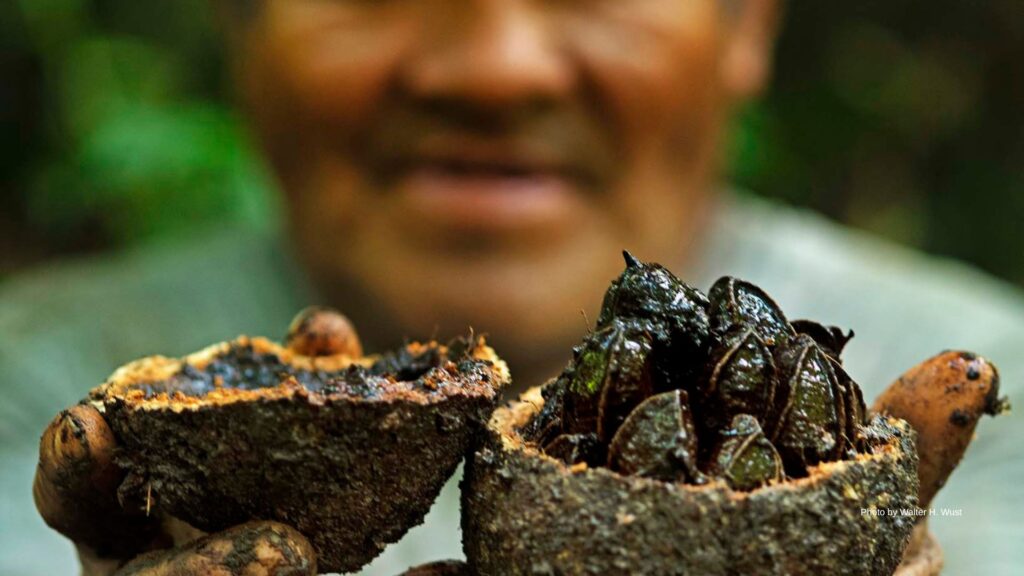
Peru is becoming one of Latin America’s most inspiring examples of Climate & Nature Positive action—and the world is taking notice.In the Amazon region of Madre de Dios, a quiet but powerful transformation is underway: families, community organizations and responsible companies are proving that forest protection, economic opportunity and climate resilience can work hand in hand. At the center of this movement are two critical initiatives: Bosques Amazónicos (BAM) and the REDD+ Castañeros project, both of which support forest-dependent communities while strengthening conservation outcomes across the region. Recently, the Green Initiative highlighted Peru’s leadership and the role of these partners in advancing high-integrity climate action. Forest Friends is proud to amplify this work and share why it matters for the future of global restoration efforts. 👉 Read the full feature by Green Initiative Why Peru Matters for the Climate & Nature Agenda Peru is home to some of the planet’s most biodiverse and climate-critical ecosystems. The Amazon forests of Madre de Dios store enormous amounts of carbon, regulate rainfall across South America, and sustain thousands of families who depend on Brazil nut (castaña) harvesting, agroforestry and community forest management. Yet these same forests face pressures from illegal logging, land conversion, mining and climate impacts.The REDD+ Castañeros initiative and the long-term conservation programs led by BAM show that local livelihoods and forest conservation are not opposing forces—they reinforce each other. The Role of the Castañeros: Guardians of the Forest The castañeros (Brazil nut harvesters) are essential to the Amazon’s health. Their economic activity depends on intact forests, making them natural allies in conservation efforts. The REDD+ Castañeros project strengthens: Long-term forest protection Sustainable harvesting practices Financial stability for families Community governance and land management Monitoring systems that prevent deforestation When communities thrive, forests thrive.When forests thrive, the climate stabilizes.This is the nature-positive cycle Peru is helping to lead. Where Climate and Community Meet: BAM’s Contribution Bosques Amazónicos (BAM) has become one of Peru’s most respected actors in nature-based climate solutions.Their work combines scientific rigor, community engagement and strong monitoring systems—ensuring that carbon mitigation and biodiversity protection are both measurable and credible. BAM’s initiatives support: Forest carbon projects with global recognition Restoration of degraded areas Strengthening local associations Market access for sustainable forest products High-integrity climate methodologies These solutions are not theoretical—they generate real economic, environmental and social benefits. A Model for Climate & Nature Positive Development The collaboration highlighted by Green Initiative demonstrates a practical framework for regenerative development: 1. Community first Empowering families who live in and depend on the forest ensures conservation is locally rooted and long-lasting. 2. Science and monitoring Credible data, auditability and reliable methodologies create trust and attract sustainable investment. 3. Territorial governance Clear rules, community associations and multilevel coordination ensure collective stewardship. 4. Regeneration as a development strategy Nature-based solutions support local economies while restoring ecosystem health. Peru shows that Climate Positive and Nature Positive pathways are possible, scalable and impactful when communities and science move together. A Photographic Story by Walter H. Wust A Call for Global Collaboration The Amazon is a planetary asset, and Peru’s leadership demonstrates what is achievable when restoration, transparency and community empowerment guide decision-making. At Forest Friends, we believe this model offers key lessons for other regions seeking to restore ecosystems, protect biodiversity and ensure nature-based livelihoods.We also celebrate the work of organizations—like BAM and the castañeros associations—that make forest protection a daily, lived commitment. 👉 To explore the full story of Peru’s Climate & Nature Positive leadership, read the Green Initiative article. Together, we can scale the efforts that protect forests, support communities and build a regenerative future for all. The Future Is Regenerative Every hectare restored stores new carbon, shelters wildlife, and gives future generations a chance to thrive. At Forest Friends, we plant hope — one tree at a time. 🌿 Join the Movement🌱 Plant a Tree Today I Want To Support Now

Climate & Nature Positive Peru: How Amazon Communities Are Leading a Global Transformation Read More »

Forests at the Crossroads: How We Can Revive the World’s Natural Carbon Guardians

Forests at the Crossroads: How We Can Revive the World’s Natural Carbon Guardians

Forests are the planet’s lungs, absorbing a quarter of all human carbon emissions. Yet new data shows this forest carbon sink is shrinking due to fires and deforestation. At Forest Friends, we believe restoration, protection, and community action can help forests breathe again — and secure a climate-positive future for people and planet. A Wake-Up Call from Nature Forests don’t just store carbon — they create rain, shelter biodiversity, and keep our climate stable. But the World Resources Institute warns that the Earth’s forest carbon sink is under threat. As fires intensify and deforestation spreads, forests are absorbing less carbon than ever before. Still, the story doesn’t end there. Nature has shown time and again that when we protect and restore forests, they recover — stronger, more diverse, and more resilient. What’s Shrinking the World’s Forest Carbon Sink For decades, forests absorbed around 25% of human CO₂ emissions each year. But WRI (World Resources Institute) data shows that gap is closing. Key causes: Fires: Longer, hotter fire seasons in boreal and tropical regions release massive carbon emissions and damage soil health. Deforestation: Agriculture, mining, and logging are driving large-scale forest loss, especially in tropical regions like the Amazon. Degradation: Fragmented or degraded forests store less carbon and are more vulnerable to climate extremes. As the global forest carbon sink weakens, humanity risks losing one of its best natural defenses against climate change. Why Forest Restoration Brings Hope Healthy forests act as powerful carbon sinks, absorbing and storing CO₂ in trees and soil. When degraded forests are restored, this natural cycle revives. Restoration brings multiple benefits: Carbon capture and climate regulation Biodiversity recovery and habitat creation Improved soil and water cycles Stronger livelihoods for forest-dependent communities At Forest Friends, we see restoration not as a task — but as an opportunity to heal both ecosystems and our relationship with nature. From Crisis to Action: What You Can Do Protecting and restoring forests is a global mission made of local actions. Here are ways anyone can help rebuild the world’s carbon guardians: Support verified reforestation projects – Every tree counts when planted in the right place with native species. Protect existing forests – Old-growth forests hold the most carbon and the richest biodiversity. Choose deforestation-free products – Support supply chains that respect nature. Promote fire-resilient landscapes – Encourage early detection, prevention, and community fire management. Share the story – Awareness spreads faster than fire — and so does hope. Kuoda Travel WorldXChange Tulu Travel Swetours CEPA Reconnecting with the Forest Our relationship with forests must go beyond carbon — it’s emotional, cultural, and spiritual. When we understand that the health of forests mirrors our own, regeneration becomes a shared purpose. Forest Friends invites everyone — individuals, schools, and companies — to join this movement for restoration and reconnection. The Future Is Regenerative Yes, the global forest carbon sink is shrinking. But by restoring forests, we can reverse the trend.Every hectare restored stores new carbon, shelters wildlife, and gives future generations a chance to thrive. At Forest Friends, we plant hope — one tree at a time. 🌿 Join the Movement🌱 Plant a Tree Today I Want To Support Now

Forests at the Crossroads: How We Can Revive the World’s Natural Carbon Guardians Read More »

United for the Planet: A Holistic View of World Environment Day

United for the Planet: A Holistic View of World Environment Day

Every June 5th, the world comes together to reflect and take action to care for our common home. In 2025, at Forest Friends, we want to celebrate World Environment Day by echoing the key messages we’ve shared alongside Green Initiative through a series of four articles that addressed the environmental urgency from different perspectives. A Day with History and Purpose World Environment Day is not just a commemorative date, but a global call to action that has grown stronger since it was created by the UN in 1972, coinciding with the historic Stockholm Conference on the Human Environment. Over more than five decades, this date has addressed topics ranging from species conservation to ecosystem restoration and the circular economy, becoming the world’s most important platform for environmental awareness. In 2025, under the theme #BeatPlasticPollution, it highlights the urgent need to halt one of today’s greatest environmental threats, as global plastic production reaches 400 million tons annually. The Importance of Caring for What Cares for Us Caring for the environment means caring for the foundation of our lives: the ecosystem services that provide us with natural resources, biodiversity, clean air, and drinking water. The numbers are striking: air pollution causes approximately 7 million premature deaths each year, while global deforestation exceeds 10 million hectares annually. Combating deforestation, pollution, and global warming is not just an institutional responsibility — it’s a collective task where every individual action matters. Research shows that 85% of species assessed by the IUCN are threatened by habitat loss and degradation, making conservation an urgent priority for global biodiversity survival. Plastics Under the Spotlight: Strategies and Contrasts Plastic pollution was the central theme this year, with Jeju Island (South Korea) as the official host. This region has implemented effective local policies, achieving recycling rates over 73% for plastic packaging and reducing per capita plastic bag consumption by 67% between 2018 and 2023. In contrast, Latin America generates approximately 541,000 tons of plastic waste daily, of which only 4.8% is effectively recycled. However, promising initiatives are emerging, such as measuring the carbon footprint of waste, environmental education, and decarbonization as part of a comprehensive solution. Evidence shows that interventions combining economic, regulatory, and educational instruments can reduce the consumption of problematic plastic products by 20-50% in the first year of implementation. Restoring Our Forests: An Urgent and Hopeful Action At Forest Friends, we celebrate Environment Day with our hands in the soil. Our restoration projects take place in biodiversity hotspots critically important to global conservation. Madre de Dios: A Biodiversity Treasure in Peru In Madre de Dios, one of the hotspots where we work in Peru, more than 4,000 species of vascular plants have been recorded, including a high percentage of endemic species found nowhere else in the world. However, this region has lost significant portions of its original forest cover due to gold mining and other human activities. Our partners, such as Kuoda Travel and WorldXchange, are planting trees in this region as part of their climate and ecological restoration commitments, in partnership with local ally Inkaterra: Kuoda Travel promotes regenerative tourism, involving tourists by offsetting their carbon footprint and planting trees proportional to their impact. Since 2022, they have planted 1,125 trees and added 300 more to celebrate this important date, reaching a total of 1,425 trees. WorldXchange has participated in various initiatives, including Milagros, an Extraordinary Bear, a project that certified the first animated film as climate positive and launched the “Milagros and Friends” planting campaign. With the support of partners like Luz del Sur, Mediterranean Shipping Company (MSC), and MAPFRE, they surpassed the goal of 1,000 proposed trees. Now, WorldXchange adds 150 trees to commemorate Environment Day, moving closer to their goal of 1,000 trees by 2030. Costa Rica: Restoring the Osa Peninsula Other organizations have joined Forest Friends to support the restoration of key ecosystems such as the Osa Peninsula, which holds 2.5% of the world’s biodiversity in just 700 km², with support from Fundación Saimiri. Tulu Travel and Swetours promote regenerative tourism, offsetting carbon footprints and restoring ecosystems by planting native species. Since 2021, they have planted 1,151 trees while raising awareness among tourists visiting Costa Rica. CEPA – Customized Educational Programs Abroad has also been planting trees since 2021. Although they initially planted as part of their own commitments, since 2023 they’ve shifted focus to their students: now planting a tree for each participant in their courses developed with over 60 partner universities, totaling more than 6,800 trees planted. Kuoda Travel WorldXChange Tulu Travel Swetours CEPA Beyond Planting: Science and Community This work doesn’t end with planting. Scientific monitoring, local species selection, and community involvement are key. Research shows that plantations with diverse native species have survival rates above 85% after five years, compared to 40-60% for exotic species. Inkaterra operates a genetic lab to study endemic species, generating vital knowledge for monitoring and scientific research. One of their key publications highlights the conservation of native orchids found at Inkaterra Machu Picchu Pueblo Hotel and their importance to global biodiversity. Similarly, Fundación Saimiri collaborates with volunteer specialists and researchers from planting and monitoring to publishing scientific articles. A Call to Action At Forest Friends, we believe protecting our ecosystems goes hand in hand with reducing the pollution that harms them. Restored forests in the Amazon can sequester between 150-200 tons of CO₂ per hectare over 30 years, contributing significantly to national emission reduction targets and the global goals of the Paris Agreement. On this World Environment Day, we invite you to join the #BeatPlasticPollution movement and celebrate life by restoring what we’ve lost. Planting trees, reducing our impact, and acting consciously is how we honor nature — and ourselves. I Want To Support Now

United for the Planet: A Holistic View of World Environment Day Read More »

Final Days of Our Earth Day Campaign Plant a Tree, Leave a Legacy

Final Days of Our Earth Day Campaign: Plant a Tree, Leave a Legacy

Earth Day is more than just a celebration—it’s a global reminder that the future of our planet depends on the actions we take today. At Forest Friends, we believe in turning that awareness into action. That’s why we launched our Earth Day campaign with a powerful promise: for every tree you plant, we’ll plant one more. And now, as the campaign nears its end on April 30, this is your final chance to double your impact and be part of something truly meaningful. Yes, I Want To Support Why This Campaign Matters Reforestation isn’t just about trees. It’s about restoring ecosystems, preserving biodiversity, and helping communities around the world build climate resilience. Through Forest Friends, your trees are planted in areas that need it most—like the Amazon rainforest in Peru, where deforestation threatens native species, or the Osa Peninsula in Costa Rica, one of the most biodiverse places on Earth. Every tree planted contributes to cleaner air, healthier soils, and a more stable climate. But perhaps most importantly, each tree represents hope—for our planet and future generations. Yes, I Want To Support Double the Trees, Double the Impact Through April 30, when you plant one tree, we’ll plant one more—at no extra cost to you. This “Buy One, Gift One” (BOGO) model allows us to amplify the impact of each action. Whether you’re planting one tree or 100, your choice sends a clear message: nature matters. Yes, I Want To Support Where Your Trees Go 🌳 Peru – Amazon BasinHelp restore degraded rainforest zones and protect indigenous flora and fauna. 🌿 Costa Rica – Osa PeninsulaSupport reforestation efforts in one of the world’s most vital biodiversity hotspots. All plantings are monitored by our trusted partners and include GPS coordinates so you can follow your trees’ journey. Inkaterra Association Saimiri Foundation Yes, I Want To Support How You Can Join Getting involved is simple. In just a few clicks, you can choose your tree, pick your region, and make a lasting impact. Whether you’re supporting as an individual, honoring someone you love, or contributing on behalf of a company, you’re helping shape a climate-positive future. Yes, I Want To Support ⏳ Final Days to Act The campaign ends April 30 at 11:59 PM. Don’t miss this chance to make your Earth Day count. 👉 Support Now and Plant a Tree Together, we grow forests—and hope.

Final Days of Our Earth Day Campaign: Plant a Tree, Leave a Legacy Read More »

Empowering Local Communities: The Social Benefits of Ecosystem Restoration

Empowering Local Communities: The Social Benefits of Ecosystem Restoration

Ecosystem restoration is often framed in terms of its environmental impact—protecting biodiversity, reducing carbon emissions, and enhancing soil health. However, one of its most transformative yet overlooked aspects is its ability to empower local communities. When restoration projects actively involve local populations, they provide economic opportunities, strengthen social bonds, and improve overall well-being. For more insights on ecosystem restoration, check out our Knowledge Hub. Boosting Economic Opportunities One of the most immediate benefits of ecosystem restoration is job creation. Reforestation, mangrove restoration, and conservation initiatives require skilled and unskilled labor, offering employment to local populations. These jobs range from tree planting and forest management to ecotourism and sustainable agriculture. In regions like the Osa Peninsula in Costa Rica and Madre de Dios in Peru, reforestation projects provide stable income for families, reducing urban migration and preserving cultural traditions linked to the land. Beyond direct employment, restoration fosters sustainable enterprises. Local artisans benefit from sustainably harvested materials, while eco-tourism businesses thrive as revitalized landscapes attract visitors interested in nature-based experiences. By investing in restoration, communities diversify their economies and build long-term financial stability. Learn how you can contribute by planting a tree through our Forest Restoration Programs and Certifications for Businesses. Participant Businesses or organizations that engage in ecosystem restoration through a small-scale initiative. Partner Businesses or organizations committed to actively participating in long-term initiatives for ecosystem restoration Accelerator Businesses or organizations connecting their operations directly with ecosystem restoration initiatives. Strengthening Social Bonds and Resilience Restoration projects require collaboration among community members, NGOs, governments, and businesses, fostering a shared sense of responsibility and collective action. When communities unite around a common environmental goal, they build trust and resilience against challenges such as climate change and economic hardship. Traditional ecological knowledge also plays a crucial role. Indigenous communities and local populations possess valuable insights into native species, ecosystem interactions, and sustainable land management. Integrating this knowledge enhances restoration projects while preserving cultural heritage and promoting self-determination. Ecosystem restoration aligns with the global efforts under the UN Decade on Ecosystem Restoration. Enhancing Public Health and Well-being Healthy ecosystems directly contribute to public health. Reforestation filters air pollutants, reducing respiratory diseases. Wetland restoration improves water quality, lowering the risk of waterborne illnesses. Green spaces also provide psychological and recreational benefits, reducing stress and enhancing mental health. Additionally, restored ecosystems support food security through sustainable agriculture and agroforestry. By revitalizing degraded lands, communities can cultivate medicinal plants, fruits, and crops, ensuring better nutrition and economic self-sufficiency. Learn more about agroforestry and food security from the FAO. Case Studies: Community-Driven Restoration Success Stories Kuoda Travel, Peru: A leader in sustainable and regenerative tourism, Kuoda Travel has obtained Climate Positive Certification, demonstrating its commitment to ecosystem restoration and carbon offsetting. By incorporating conservation initiatives into its travel experiences, Kuoda supports local reforestation efforts, helping communities in Peru regenerate degraded landscapes. Through its partnership with environmental organizations, the company ensures that tourism actively contributes to biodiversity preservation and local economic growth. Read more about their sustainability journey here. Costa Rica’s Osa Peninsula: Home to 2.5% of the world’s terrestrial biodiversity, this region has seen a surge in community-led conservation projects. By integrating reforestation with ecotourism and sustainable agriculture, local communities have created economic opportunities while restoring critical habitats. Madre de Dios, Peru: Known as Peru’s biodiversity capital, this region has benefited from forest restoration projects engaging local farmers in agroforestry. By blending native tree planting with cacao and coffee cultivation, these initiatives provide income stability while promoting sustainable land use. Track deforestation and restoration efforts through Global Forest Watch. Conclusion Ecosystem restoration is about more than just nature—it’s about people. When designed with local communities at the core, these projects become catalysts for economic empowerment, social cohesion, and improved well-being. Supporting restoration efforts is not only an investment in the environment but also in the future of communities worldwide. By empowering people, we ensure the long-term success of conservation initiatives and create a healthier, more sustainable planet for all. Discover how businesses can achieve sustainability goals with our climate and nature certifications. Be Part of the Global Reforestation Movement! 🌱🌍 Planting trees isn’t just about numbers—it’s about choosing the right species in the right locations. At Forest Friends, we focus on eco-friendly reforestation that benefits people and the planet. 🌿 Join the movement! Visit the Forest Friends Shop and plant a native tree today. Why Protecting Cloud Forests and Other Ecosystems Matters Cloud forests and other vital habitats, like Tambopata, are not just treasures for those who visit—they are lifelines for the planet. Protecting these ecosystems ensures the survival of countless species, sustains freshwater supplies for millions of people, and helps combat climate change. Ecotourism can strike a delicate balance between human interaction and preservation, fostering appreciation and resources for conservation. By visiting responsibly, travelers contribute to a global effort to protect these irreplaceable environments. Whether it’s walking amidst ancient trees shrouded in mist or cruising along the Amazonian waterways, the experience is a humbling reminder of the planet’s wonders—and our role in safeguarding them. So, pack your hiking boots, your curiosity, and your commitment to sustainability, and let the magic of cloud forests and the Tambopata rainforest transform the way you see the natural world. With partners like Tulu Travel, Swetours, and CEPA, your journey will not only inspire but also contribute to the preservation of our planet’s most extraordinary places.

Empowering Local Communities: The Social Benefits of Ecosystem Restoration Read More »

Sustainable Business Growth: How Your Brand Can Thrive with Forest Friends

Sustainable Business Growth: How Your Brand Can Thrive with Forest Friends

In today’s world, customers expect more than just quality products—they want to support brands that actively contribute to a healthier planet. Companies that take climate and nature-positive actions don’t just do good for the environment; they also unlock powerful marketing advantages, build stronger customer loyalty, and future-proof their businesses. At Forest Friends, we help businesses integrate differentiated and winning sustainability strategies that make an impact. Through our Business Partner Certifications, companies can measure, reduce, and offset their carbon footprint while directly contributing to global ecosystem restoration. 🌱 Why Sustainability is the Future of Business The demand for eco-conscious brands is skyrocketing:✅ 66% of consumers are willing to pay more for sustainable products. (Nielsen)✅ 73% of Millennials prefer shopping from sustainable companies. (Forbes)✅ Brands that incorporate eco-friendly practices report higher customer engagement and increased revenue. Sustainability isn’t just about compliance—it’s about competitive advantage. Companies that take action today will stand out, attract loyal customers, and lead their industries. 🚀 How Your Business Can Win with Forest Friends At Forest Friends, we offer customized sustainability strategies that integrate seamlessly with your brand. 🌳 Tree Planting for Every Sale Imagine telling your customers that for every product or service they buy, a tree is planted in a global restoration project. This simple action builds trust, differentiates your brand, and creates a compelling marketing story. 🌍 Nature-Positive Marketing Campaigns Launch eco-friendly initiatives during key events like Earth Month, Black Friday (as “Green Friday”), or company anniversaries. Engage your audience with real, measurable impact and showcase your commitment to sustainability. 🌱 Go Beyond Net-Zero: Become a Climate Positive Business More companies are moving beyond just offsetting emissions—they’re aiming to remove more carbon than they produce. By partnering with Forest Friends, your business can become Climate Positive, actively contributing to global reforestation and ecosystem restoration projects that absorb CO₂ and rebuild biodiversity. We help businesses achieve Climate Positive status with a structured five-step certification process:1️⃣ Measure your carbon footprint2️⃣ Report emissions transparently3️⃣ Reduce your environmental impact4️⃣ Offset & Restore with verified projects5️⃣ Certify your business as a climate and nature-positive leader 🏆 Choose Your Certification Level We offer three tiers of business partnerships, so companies of all sizes can participate and grow their impact: 🔹 Participant – Start small and begin your sustainability journey.🔹 Partner – Commit to long-term ecosystem restoration.🔹 Accelerator – Integrate sustainability into your operations with direct restoration partnerships. Each tier provides branding, marketing, and certification benefits, helping you enhance brand credibility and customer loyalty. Participant Businesses or organizations that engage in ecosystem restoration through a small-scale initiative. Partner Businesses or organizations committed to actively participating in long-term initiatives for ecosystem restoration Accelerator Businesses or organizations connecting their operations directly with ecosystem restoration initiatives. 📢 Why Brands Love Partnering with Us ✔ Instant Marketing Differentiation – Stand out in a crowded market.✔ Customer Loyalty & Engagement – People love supporting businesses that protect the planet.✔ Transparent & Measurable Impact – No greenwashing—just real action.✔ Access to Global Sustainability Events – Showcase your leadership. 🌎 Join the Movement – Take Action Today! By partnering with Forest Friends, you’re not just making a statement—you’re making a real impact. Whether you’re a small business or a multinational brand, our tailored solutions will help you grow sustainably, engage customers, and drive positive change. 🌱 Ready to become a Climate Positive leader? Let’s talk! Contact us today to start your sustainability journey. Be Part of the Global Reforestation Movement! 🌱🌍 Planting trees isn’t just about numbers—it’s about choosing the right species in the right locations. At Forest Friends, we focus on eco-friendly reforestation that benefits people and the planet. 🌿 Join the movement! Visit the Forest Friends Shop and plant a native tree today. Why Protecting Cloud Forests and Other Ecosystems Matters Cloud forests and other vital habitats, like Tambopata, are not just treasures for those who visit—they are lifelines for the planet. Protecting these ecosystems ensures the survival of countless species, sustains freshwater supplies for millions of people, and helps combat climate change. Ecotourism can strike a delicate balance between human interaction and preservation, fostering appreciation and resources for conservation. By visiting responsibly, travelers contribute to a global effort to protect these irreplaceable environments. Whether it’s walking amidst ancient trees shrouded in mist or cruising along the Amazonian waterways, the experience is a humbling reminder of the planet’s wonders—and our role in safeguarding them. So, pack your hiking boots, your curiosity, and your commitment to sustainability, and let the magic of cloud forests and the Tambopata rainforest transform the way you see the natural world. With partners like Tulu Travel, Swetours, and CEPA, your journey will not only inspire but also contribute to the preservation of our planet’s most extraordinary places.
Sustainable Business Growth: How Your Brand Can Thrive with Forest Friends Read More »

Why Planting Native Trees is Essential for Ecosystem Restoration 🌱

Why Planting Native Trees is Essential for Ecosystem Restoration 🌱

Discover why planting native trees is crucial for ecosystem restoration. Learn how Forest Friends is reviving forests in Costa Rica, Peru, the Pantanal, and the Andean Cloud Forests with sustainable reforestation efforts. 🌍🌱 The Importance of Native Trees for Reforestation Reforestation is a powerful tool in the fight against deforestation, biodiversity loss, and climate change. But not all trees contribute equally to ecological restoration. Planting native tree species ensures a thriving, self-sustaining ecosystem that benefits wildlife, soil health, and local communities. 🌿 According to the U.S. Department of Agriculture, native plants conserve water, prevent soil erosion, and support pollinators and wildlife. Unlike non-native species, they have evolved to thrive in local conditions, making them the best choice for sustainable forestry and carbon sequestration. Top Benefits of Planting Native Trees 🌱 Restoring Biodiversity Native trees provide food and shelter for birds, pollinators, and mammals. The West Indian Locust (Hymenaea courbaril), planted through Forest Friends, is a key species supporting Amazonian wildlife while benefiting communities with its medicinal properties. 🌍 Carbon Sequestration & Climate Action Forests act as natural carbon sinks, absorbing CO₂ and stabilizing temperatures. The Big Leaf Mahogany (Swietenia macrophylla) is a high-carbon capture species that helps combat climate change while restoring degraded land. 🌿 Ecologist E.O. Wilson emphasized the importance of restoration, stating, “There can be no purpose more enspiriting than to begin the age of restoration, reweaving the wondrous diversity of life that still surrounds us.” 💧 Soil and Water Conservation Deforestation depletes soil nutrients and disrupts water cycles. Wild Cashew (Anacardium excelsum) and Inga Bean (Inga marginata) enrich degraded soils, prevent erosion, and improve groundwater retention. 🏡 Empowering Local Communities Reforestation also means economic and social benefits. In Madre de Dios, Peru, Forest Friends is planting native trees that provide sustainable livelihoods for local farmers while protecting one of the world’s most biodiverse ecosystems. Forest Friends’ Global Reforestation Hotspots ✅ Osa Peninsula, Costa Rica – Restoring tropical broadleaf forests and promoting sustainable tourism.✅ Madre de Dios, Peru – Supporting local communities and Amazon reforestation.✅ Andean Cloud Forests – Protecting high-altitude ecosystems and critical water sources.✅ Pantanal Wetlands, Brazil – Planting native trees like Copaiba (Copaifera langsdorffii) and Ipê (Handroanthus spp.) to restore one of the world’s most important wetlands. Inkaterra Association Is a non-profit organization, and a Forest Friends planting partner, committed to generating an added value on biodiversity through research, conservation, outreach, and environmental education, for the benefit of the environment, local communities, and future generations.” Saimiri Foundation Is a Forest Friends planting partner and non-profit organization dedicated to the rescue, preservation, and protection of the natural resources of Costa Rica, specifically non-human primates and those located in the Osa Peninsula, from environmental and anthropogenic threats. Chaparrí Ecological Reserve Huerta de Chaparrí, located within the Chaparrí Ecological Reserve in Peru, is a Forest Friends planting partner dedicated to conservation and ecological restoration. Nestled in a sanctuary for unique wildlife, including the Andean spectacled bear and the endangered white-winged guan, the reserve combines biodiversity preservation with sustainable tourism. Flora Pantanal Flora Pantanal is a Forest Friends planting partner dedicated to ecological restoration and sustainable environmental solutions in Brazil. Based in Campo Grande, within the rich biomes of the Pantanal and Cerrado, Flora Pantanal specializes in the production of native seedlings and large-scale reforestation projects. Their work focuses on restoring ecosystems, preserving biodiversity, and implementing climate-smart technologies to combat environmental challenges. Cultiva Cultiva is a sustainability-focused organization based in Rio de Janeiro, Brazil. A proud Forest Friends planting partner, Cultiva specializes in transforming neglected urban areas into thriving green spaces through agroforestry, environmental education, and community engagement. Their mission is to reconnect urban populations with nature while promoting biodiversity and sustainable living practices. By supporting Cultiva, you contribute to impactful reforestation and regeneration projects that enhance ecosystems and empower local communities in Brazil. The Problem with Non-Native Tree Planting Many tree-planting projects prioritize fast-growing species over ecosystem health. However, commercial trees like eucalyptus and acacia deplete soil nutrients, consume excessive water, and disrupt local biodiversity. 🌿 The National Wildlife Federation recommends that at least 70% of planted species be native to maximize biodiversity benefits. By choosing native trees, we ensure long-term sustainability. How You Can Help Restore Forests ✅ Plant Native Trees – Buy trees from Forest Friends’ Tree Store to contribute to sustainable reforestation.✅ Support Reforestation Projects – Donate or volunteer to help plant trees in critical ecosystems.✅ Raise Awareness – Share knowledge about nature-based solutions for climate action. Be Part of the Global Reforestation Movement! 🌱🌍 Planting trees isn’t just about numbers—it’s about choosing the right species in the right locations. At Forest Friends, we focus on eco-friendly reforestation that benefits people and the planet. 🌿 Join the movement! Visit the Forest Friends Shop and plant a native tree today. Why Protecting Cloud Forests and Other Ecosystems Matters Cloud forests and other vital habitats, like Tambopata, are not just treasures for those who visit—they are lifelines for the planet. Protecting these ecosystems ensures the survival of countless species, sustains freshwater supplies for millions of people, and helps combat climate change. Ecotourism can strike a delicate balance between human interaction and preservation, fostering appreciation and resources for conservation. By visiting responsibly, travelers contribute to a global effort to protect these irreplaceable environments. Whether it’s walking amidst ancient trees shrouded in mist or cruising along the Amazonian waterways, the experience is a humbling reminder of the planet’s wonders—and our role in safeguarding them. So, pack your hiking boots, your curiosity, and your commitment to sustainability, and let the magic of cloud forests and the Tambopata rainforest transform the way you see the natural world. With partners like Tulu Travel, Swetours, and CEPA, your journey will not only inspire but also contribute to the preservation of our planet’s most extraordinary places.

Why Planting Native Trees is Essential for Ecosystem Restoration 🌱 Read More »

The Magic of Cloud Forests_ A Haven for Nature and Ecotourism

The Magic of Cloud Forests: A Haven for Nature and Ecotourism

Cloud forests, often called nature’s green cathedrals, are mystical ecosystems draped in mist and rich in biodiversity. Found in tropical and subtropical regions, typically on mountain slopes where clouds kiss the Earth, these forests are vital for global ecological balance and offer an enchanting destination for ecotourists. What Are Cloud Forests? Cloud forests are characterized by their unique climate—high humidity and persistent cloud cover at the canopy level. This combination creates an environment brimming with life. Cloud forests resemble something out of a fairy tale with their moss-covered trees, vibrant orchids, and cascading waterfalls. They are often found at elevations between 3,000 and 10,000 feet, with iconic examples in Costa Rica, Ecuador, and Indonesia. These ecosystems play an essential role in the global water cycle. Acting as natural sponges, cloud forests capture moisture from the air and release it slowly, replenishing rivers and aquifers below. They are also carbon sinks, sequestering vast amounts of carbon dioxide and helping mitigate the effects of climate change. A Biodiversity Hotspot Cloud forests host an extraordinary variety of flora and fauna, many of which are found nowhere else on Earth. Flora: The thick canopy and consistent moisture encourage the growth of epiphytes like mosses, ferns, and orchids, which cling to trees and add layers of green beauty. Fauna: They are home to a dazzling array of wildlife, from colorful birds like the resplendent quetzal to elusive mammals like the spectacled bear. Insects, amphibians, and reptiles thrive in this lush environment, with many species yet to be discovered. Unfortunately, these biodiversity hotspots are threatened by deforestation, agriculture, and climate change, shifting the altitude at which clouds form and endangering the delicate balance of these ecosystems. Cloud Forests and Ecotourism Ecotourism is emerging as a key strategy for preserving cloud forests while providing sustainable economic benefits to local communities. By visiting these natural wonders, travelers can support conservation efforts while experiencing unparalleled natural beauty. Cloud Forests in Costa Rica: The Osa Peninsula One remarkable destination where cloud forests can be explored is the Osa Peninsula in Costa Rica. Known primarily for Corcovado National Park, which protects one-third of the peninsula, this region boasts an astounding variety of ecosystems, including cloud forests. These high-altitude forests are home to incredible biodiversity, featuring species found nowhere else on Earth. Several of our partners in the region, including Tulu Travel and Swetours, are committed to sustainable tourism practices. They offer opportunities to explore the Osa’s cloud forests and surrounding habitats responsibly, ensuring that these delicate ecosystems remain intact for future generations. Additionally, CEPA Customized Educational Programs Abroad has contributed to the conservation of the Osa Peninsula by planting over 7,000 native trees to date, offsetting carbon emissions from their programs through Saimiri Foundation, Forest Friends planting partner and non-profit organization dedicated to the rescue, preservation, and protection of the natural resources of Costa Rica. More Top Cloud Forest Destinations for Ecotourists Monteverde Cloud Forest Reserve, Costa Rica This iconic destination offers guided tours along its hanging bridges and trails, providing breathtaking views of the forest canopy. Monteverde is a pioneer in ecotourism, with profits reinvested into conservation. Mindo Cloud Forest, Ecuador A birdwatcher’s paradise, Mindo boasts hundreds of bird species, including toucans and hummingbirds. Sustainable lodges offer immersive stays that minimize ecological impact. Bwindi Impenetrable Forest, Uganda Known for its mountain gorillas, Bwindi is a UNESCO World Heritage Site that merges wildlife conservation with community-based tourism. Kinabalu Park, Malaysia This cloud forest at the base of Mount Kinabalu is home to unique plant species like the Rafflesia, the world’s largest flower. Local guides offer insights into the park’s ecological significance. Tips for Responsible Ecotourism in Cloud Forests Choose eco-certified operators: Support tour companies that prioritize sustainability. Stick to marked trails: Avoid damaging sensitive ecosystems by venturing off-path. Support local communities: Purchase locally made goods and services to help sustain livelihoods. Travel lightly: Minimize waste and carbon footprint during your visit. Why Protecting Cloud Forests and Other Ecosystems Matters Cloud forests and other vital habitats, like Tambopata, are not just treasures for those who visit—they are lifelines for the planet. Protecting these ecosystems ensures the survival of countless species, sustains freshwater supplies for millions of people, and helps combat climate change. Ecotourism can strike a delicate balance between human interaction and preservation, fostering appreciation and resources for conservation. By visiting responsibly, travelers contribute to a global effort to protect these irreplaceable environments. Whether it’s walking amidst ancient trees shrouded in mist or cruising along the Amazonian waterways, the experience is a humbling reminder of the planet’s wonders—and our role in safeguarding them. So, pack your hiking boots, your curiosity, and your commitment to sustainability, and let the magic of cloud forests and the Tambopata rainforest transform the way you see the natural world. With partners like Tulu Travel, Swetours, and CEPA, your journey will not only inspire but also contribute to the preservation of our planet’s most extraordinary places.

The Magic of Cloud Forests: A Haven for Nature and Ecotourism Read More »

Integrating Tourism into NDCs Challenges for SMEs and the Role of Forest Friends and Green Initiative

Integrating Tourism into NDCs: Challenges for SMEs and the Role of Forest Friends and Green Initiative

Tourism, responsible for approximately 8-10% of global greenhouse gas (GHG) emissions, holds significant potential for climate action. Integrating tourism into Nationally Determined Contributions (NDCs) under the Paris Agreement is a promising pathway to reduce emissions and promote sustainable development. However, this opportunity comes with challenges, especially for small and medium-sized enterprises (SMEs), which dominate the tourism sector. SMEs often lack the resources, technical expertise, and financial capacity to implement sustainable practices effectively. At Forest Friends and Green Initiative, we are committed to addressing these challenges by providing innovative tools, reforestation solutions, and tailored support to empower SMEs as key players in climate action. https://youtu.be/_n2mXeP3wh4 The Importance of Integrating Tourism into NDCs Tourism is a critical sector for global economies, supporting livelihoods and cultural exchange. Yet, its contribution to GHG emissions demands urgent action. By integrating tourism into NDCs, countries can: Address emissions from transportation, accommodation, and activities. Leverage the sector’s influence to promote sustainable practices. Enhance biodiversity and ecosystem restoration through initiatives like reforestation. SMEs’ agility, community ties, and innovative potential position them as pivotal players in combating climate change. Unlike larger corporations, SMEs can adopt changes more quickly and directly engage with local communities to implement impactful, sustainable practices. Challenges for SMEs in Achieving Climate Goals Limited Technical CapacityMany SMEs lack the expertise to measure and manage their carbon footprint. Complex regulatory frameworks and technical jargon often hinder participation in climate action. Financial ConstraintsImplementing sustainable technologies, such as renewable energy or energy-efficient infrastructure, requires significant upfront investment—often beyond the reach of SMEs. Knowledge and Awareness GapsMany SMEs are unaware of best practices for sustainability and struggle to find accessible, actionable guidance. Fragmented Support SystemsTourism is frequently overlooked in national climate plans, leaving SMEs with insufficient resources to contribute meaningfully to NDCs. How Forest Friends and Green Initiative Are Helping SMEs Lead in Climate Action Through targeted programs and resources, Forest Friends and Green Initiative enable SMEs to overcome these barriers and thrive as sustainable businesses. Reforestation ProgramsForest Friends connects tourism SMEs with reforestation initiatives that offset their emissions while restoring biodiversity. These programs empower businesses to contribute directly to climate mitigation. User-Friendly ToolsGreen Initiative offers practical tools, such as carbon footprint calculators and sustainability certification frameworks, tailored to the needs of SMEs. These tools simplify compliance with NDCs and global standards. Capacity BuildingBoth organizations provide workshops, training, and mentorship programs designed to build the technical expertise of SMEs, making sustainable practices accessible and achievable. Financial PathwaysBy advocating for green financing options, including grants, carbon credit programs, and subsidies, we help SMEs access the resources they need to invest in sustainable technologies. Success Stories: SMEs Leading the Way Several SMEs have successfully aligned their operations with sustainability goals through our initiatives. For example: Kuoda Travel has embraced carbon footprint reduction measures and supports reforestation projects through Forest Friends. WorldXchange, the first Climate Positive Certified currency exchange company, demonstrates how businesses of all sizes can lead in climate action. and many more… Building a Collaborative Future To integrate tourism into NDCs effectively, governments, businesses, and sustainability organizations must work together. Key actions include: Simplifying Policy FrameworksGovernments must create tourism-specific policies within NDCs, reducing complexity for SMEs. Providing IncentivesTax credits, grants, and recognition programs can encourage SMEs to adopt sustainable practices. Fostering Public-Private PartnershipsCollaborative models, like those between Forest Friends and Green Initiative, amplify impact and foster innovation. A Call to Action for Tourism SMEs Tourism has the power to become a cornerstone of global climate solutions. By addressing the challenges faced by SMEs and leveraging reforestation, capacity-building programs, and financial support, we can transform the sector into a leader in sustainability. At Forest Friends, we are dedicated to making this vision a reality. Together with SMEs, governments, and global partners, we can create a tourism sector that thrives economically while contributing to a healthier planet. Explore more at Forest Friends Knowledge Hub. Join us in turning challenges into opportunities for a greener future!

Integrating Tourism into NDCs: Challenges for SMEs and the Role of Forest Friends and Green Initiative Read More »

Shopping Cart